Why Do You Feel Breathless Doing Everyday Tasks?
Do you feel out of breath while climbing stairs, getting dressed, taking a shower or walking around your home? Even simple daily activities can feel difficult when you experience breathlessness.
Breathlessness can have several causes, including heart or lung conditions, muscle weakness and reduced fitness. Understanding what's causing it can help you find the right support.
What Causes Breathlessness During Everyday Activities?
Breathlessness can happen for different reasons, including:
- Lung conditions: Conditions such as asthma, COPD and Long Covid can make breathing more difficult.
- Heart conditions: Some heart problems can make physical activity feel harder.
- Reduced fitness: After an illness or a period of inactivity, everyday movement may require more effort.
- Muscle weakness: Weak muscles make activities such as walking, climbing stairs and standing up more demanding.
- Other factors: Anaemia, excess weight and anxiety may also contribute.
Sometimes, several factors work together. New or worsening breathlessness should always be medically assessed.
How Can Breathlessness Affect Daily Life?
Breathlessness can make people avoid activities they previously managed easily. You might need to stop frequently while walking, sit down to get dressed or feel exhausted after household tasks.
It can also affect confidence. Some people become worried about becoming breathless and gradually reduce their activity.
However, doing less can lead to weaker muscles and lower fitness, making everyday activities even harder over time.
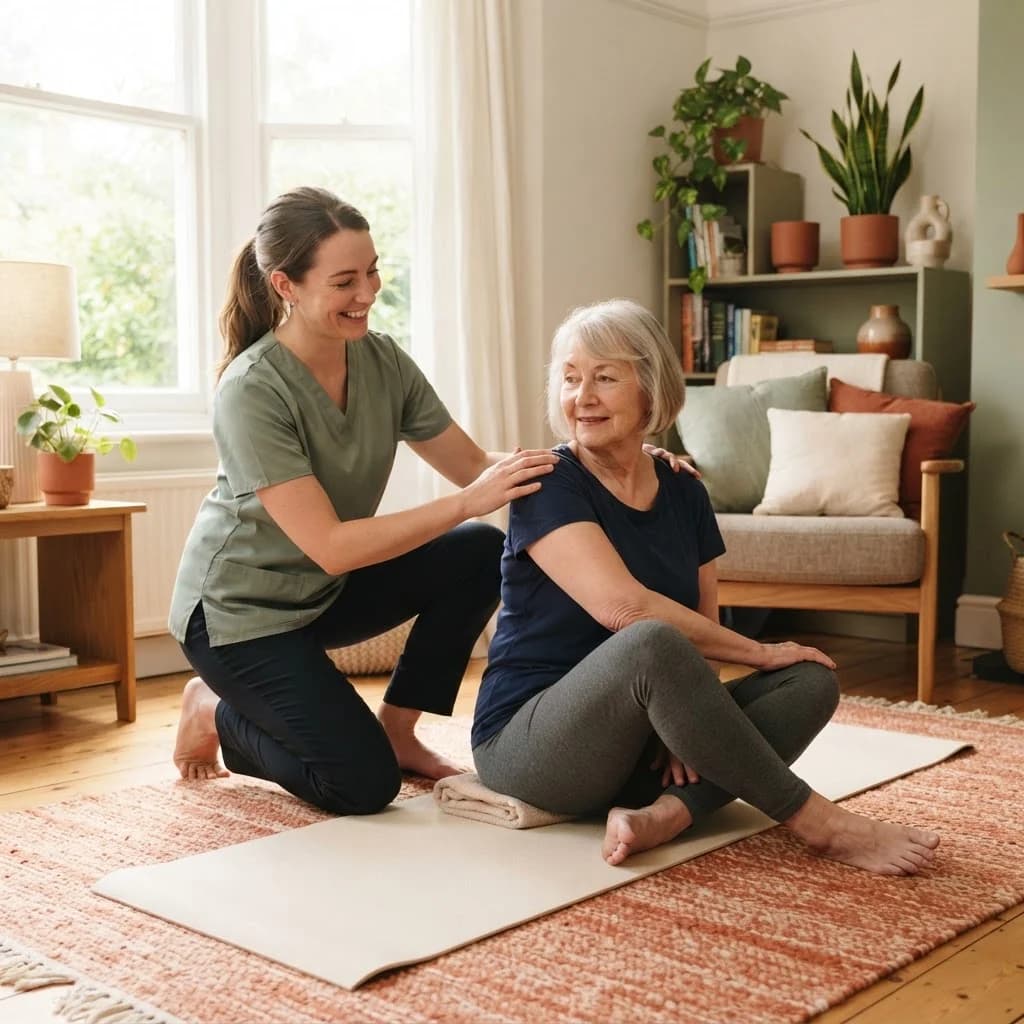
How Can Physiotherapy Help With Breathlessness?
A physiotherapist can assess how breathlessness affects your movement and daily life.
During an assessment, they may review your symptoms, medical history, breathing pattern, muscle strength, activity levels and exercise tolerance. They can also check your heart rate and oxygen levels when appropriate.
Based on your needs, they may recommend an individual rehabilitation plan to help you manage activities more comfortably and improve your physical fitness.
Practical Ways to Manage Breathlessness at Home
A few simple changes may help make everyday tasks more manageable.
- Pace yourself: Take your time and avoid rushing.
- Break tasks into smaller steps: Complete activities in stages instead of doing everything at once.
- Take regular breaks: Rest before you become completely exhausted.
- Sit when possible: Sitting down while dressing or preparing food may reduce effort.
- Plan ahead: Keep frequently used items within easy reach.
- Try breathing techniques: A healthcare professional may teach relaxed breathing or pursed-lip breathing to help manage symptoms.
Breathing techniques and activity levels should be suited to your condition and individual needs.
Can Exercise Help You Feel Less Breathless?
When medically appropriate, suitable exercise and rehabilitation can help improve fitness, muscle strength and confidence.
A physiotherapist may recommend gentle walking, strengthening exercises, breathing techniques or a structured pulmonary or cardiac rehabilitation programme, depending on your condition.
The aim is to help you become more active safely and manage everyday activities more effectively.
Remember: Do not assume that breathlessness is simply due to poor fitness. Seek medical advice before starting an exercise programme if your symptoms are new, unexplained or getting worse.
When Should You Seek Medical Help?
Speak to your GP or healthcare team if breathlessness is increasing, affecting everyday activities or accompanied by a persistent cough, wheezing or unusual fatigue.
How Can Home Physiotherapy Support You?
Breathlessness can affect your independence, confidence and quality of life. With appropriate assessment and individualised rehabilitation, you may be able to improve your fitness, manage daily activities and feel more confident about moving.
Home Physio & Rehab provides home-based physiotherapy and rehabilitation across the UK, helping people work towards their individual mobility and recovery goals.
If breathlessness is making everyday life harder, speak to your healthcare team about the right assessment and support for you.
This information is general and does not replace an individual assessment or advice from an appropriately qualified healthcare professional.
For advice about your circumstances, contact our team or request an assessment.